Discrete or Discreet: Which Word Is Correct?
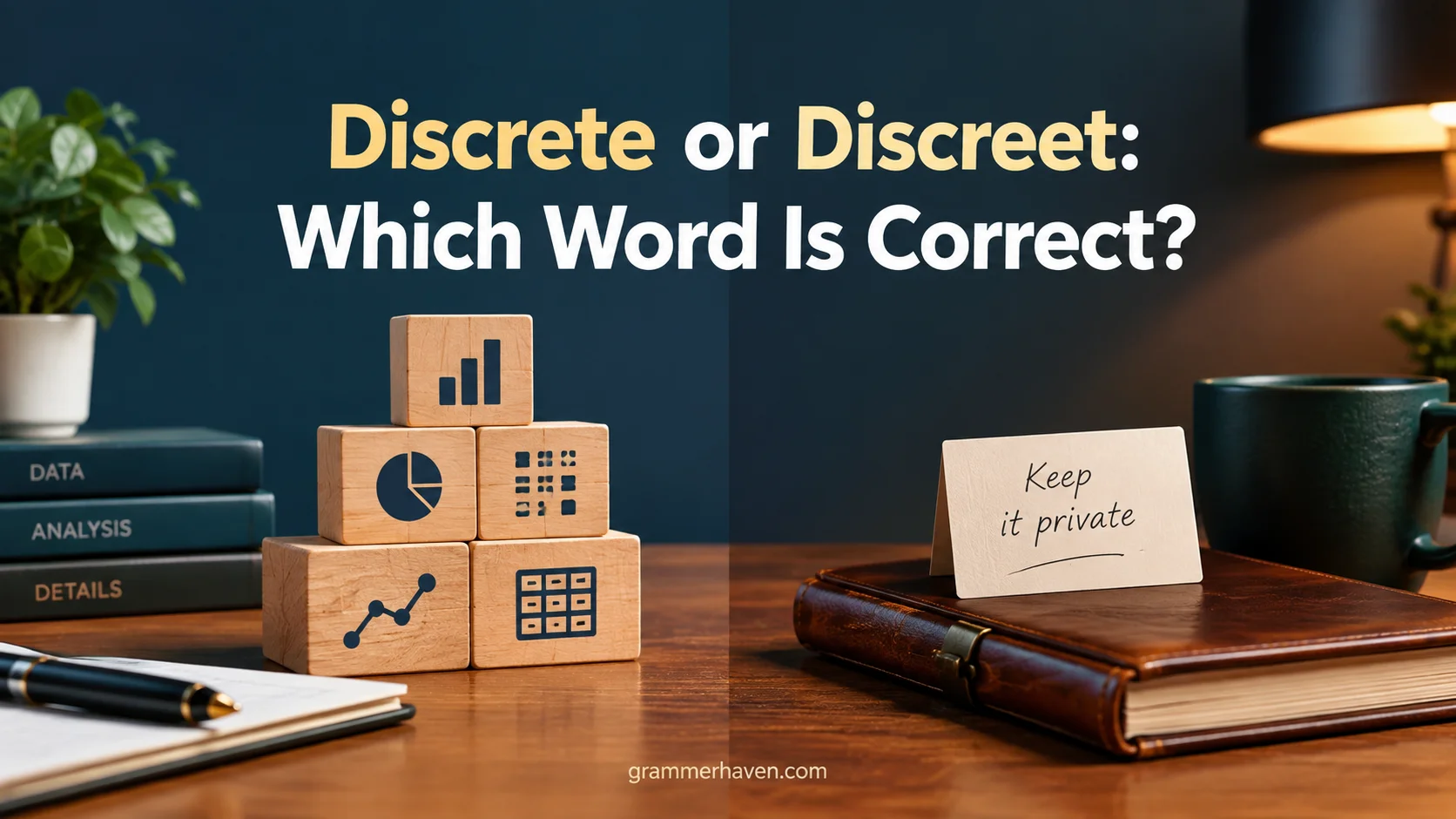
Discrete or Discreet words sound exactly alike, but they mean something different; this tiny spelling difference can completely change a sentence. Discrete describes things that are separate, distinct, and individually identifiable. Discreet describes someone who acts carefully, tactfully, or privately, without attracting attention. A professional writer or English learner can connect each word with its ...
Read more
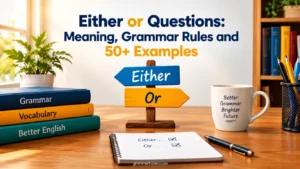
Either or Questions: Meaning, Grammar Rules and 50+ Examples
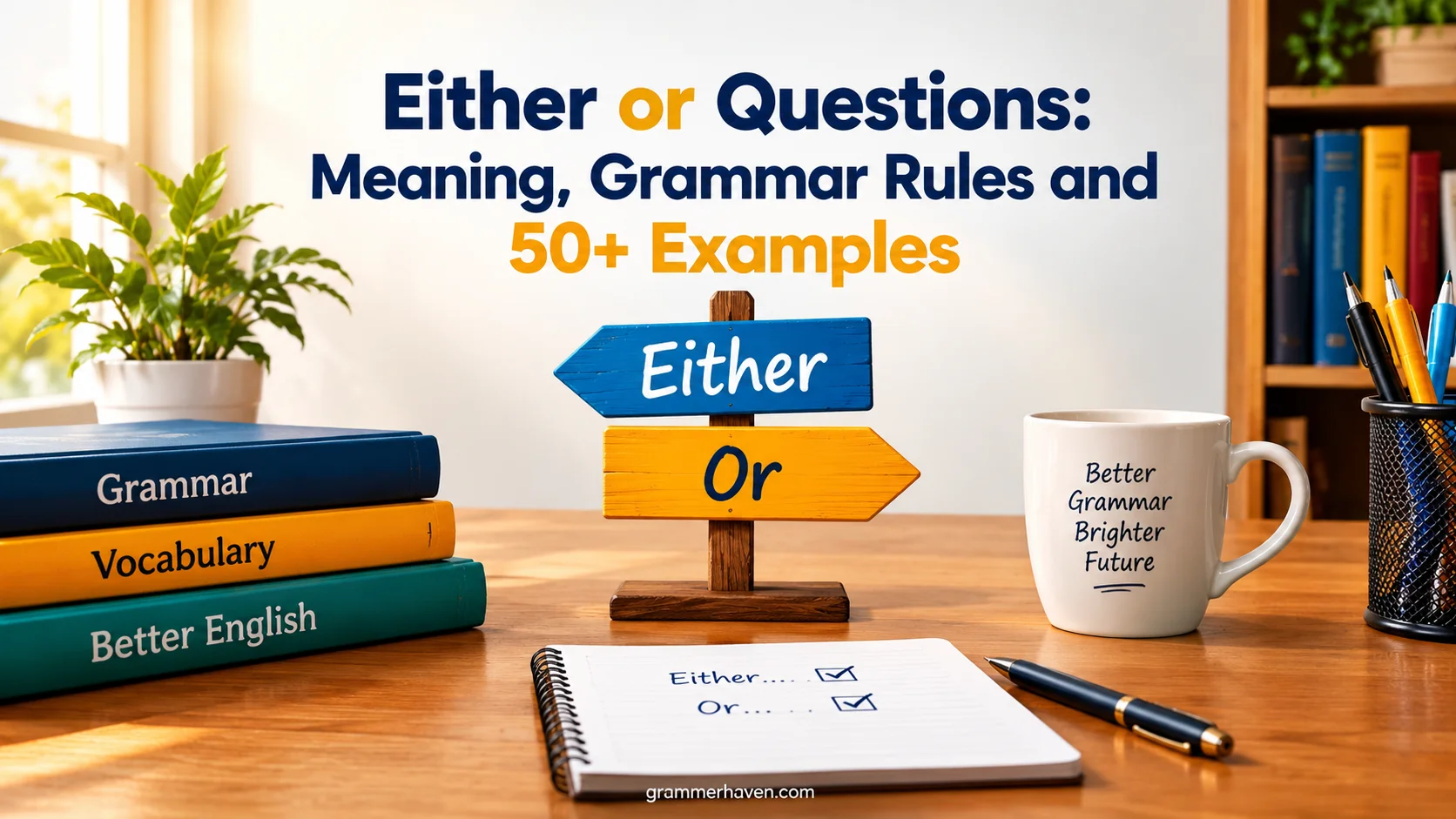
Either or questions give you two alternatives, helping you choose between options in restaurants, classrooms, interviews, work, and conversations. A classic example is asking a friend, “Do you prefer Coffee or tea?” You can also ask whether someone wants to leave now or later, or stay home or go out. These questions help you identify ...
Read more
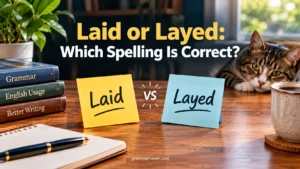
Laid or Layed: Which Spelling Is Correct?
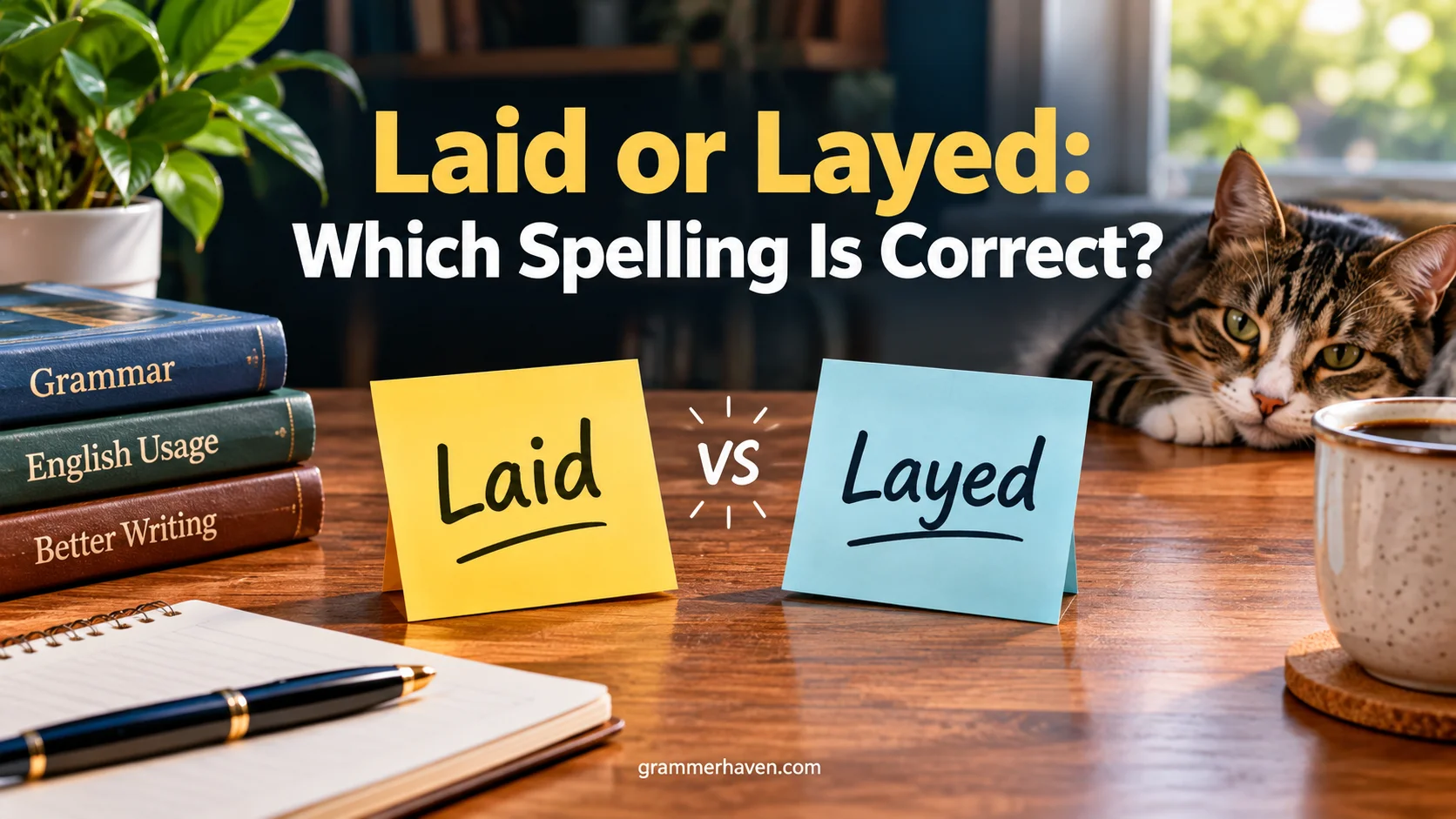
Laid or Layed can confuse English learners, writers, and professionals checking their spelling in an email, post, or essay. The correct word in standard English is laid. It is the past tense and past participle of the verb lay, meaning placed, set down, arranged, or put somewhere. The -ed spelling may suggest a familiar spelling ...
Read more
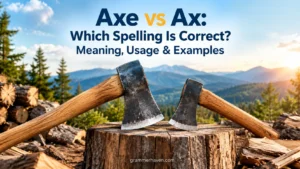
Axe vs Ax: Which Spelling Is Correct? Meaning, Usage & Examples
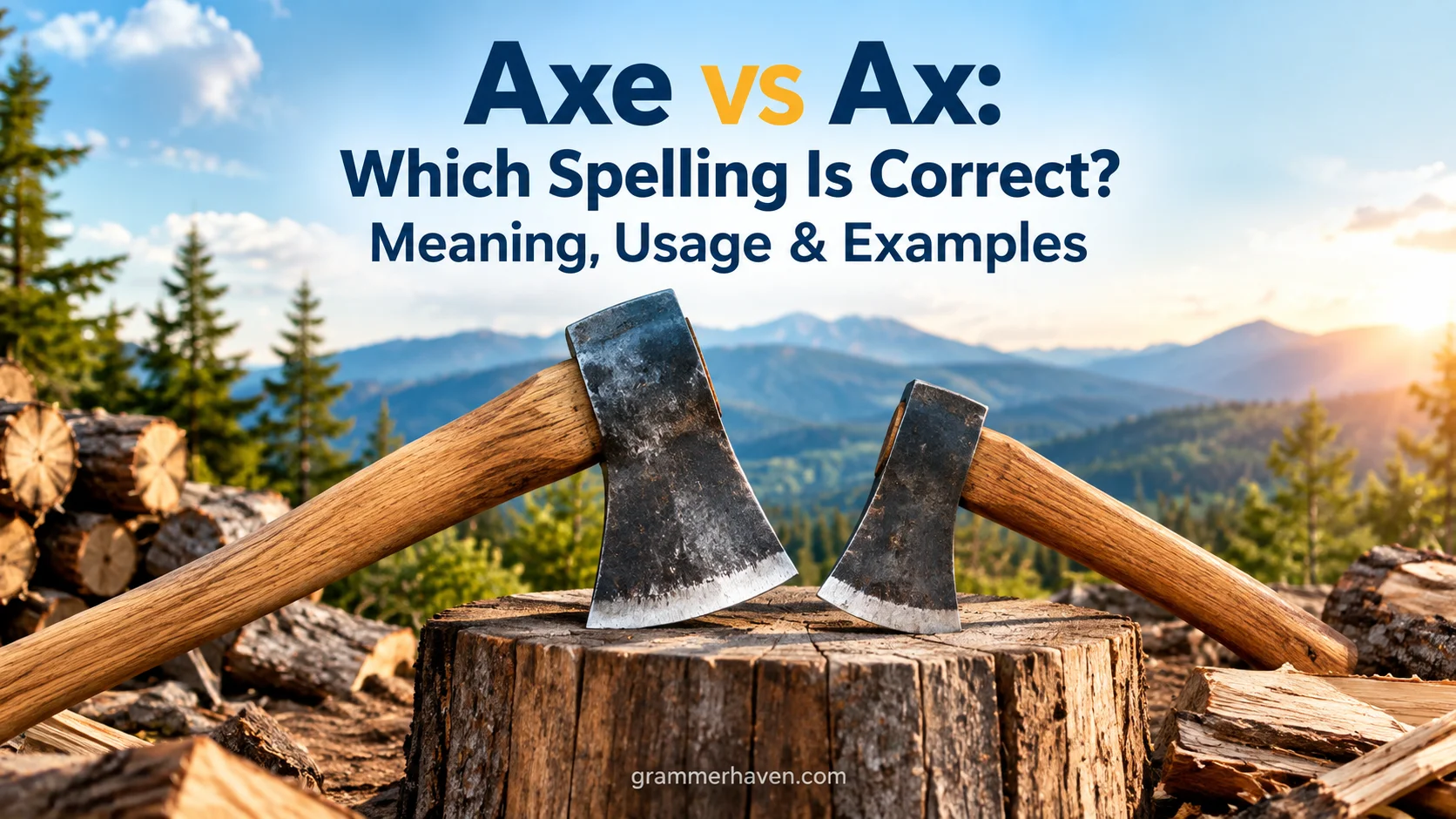
Axe vs Ax are both correct spellings for the same word, with the main difference being regional preference rather than meaning or pronunciation. In American English, ax is a common form, while axe is also accepted by major American dictionaries. In British English, axe is more familiar. Both forms describe the same tool and can ...
Read more
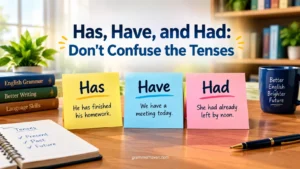
Has or Have: Which Is Correct? Rules, Examples & Mistakes
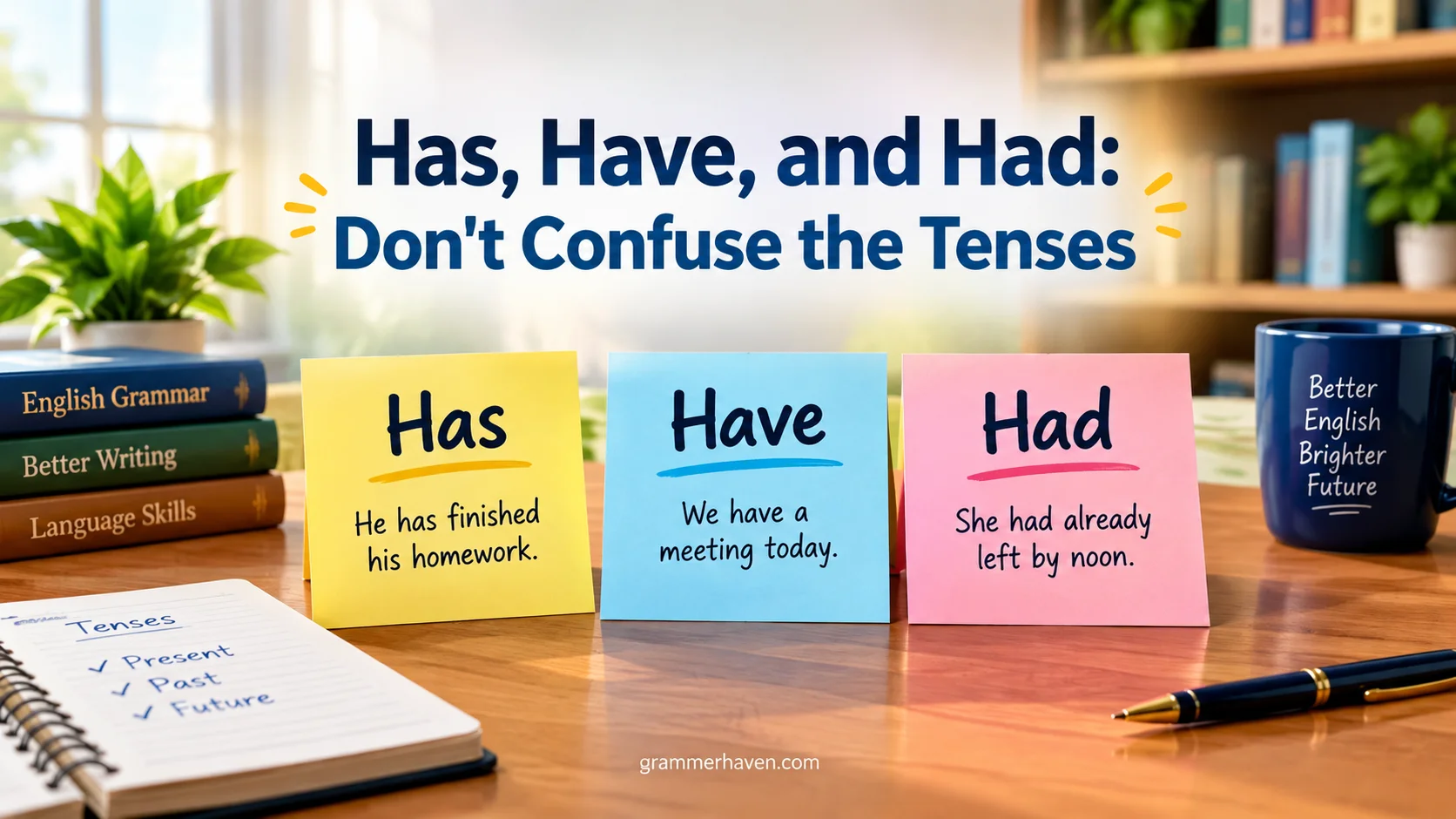
Has or Have is a common grammar question for writers, students, professionals, and native speakers who want the right word in a sentence. Has and Have are English verbs whose form can change depending on the subject, context, and usage. This basic distinction reduces confusion and helps learners avoid trying to memorize unrelated rules. The ...
Read more
Has Been or Have Been: Which Is Correct?
Has Been or Have Been can seem similar, but the subject decides the correct choice, so learners should check who or what performs the action before choosing a form. Use has been with he, she, it, or a singular noun; have been works with I, you, we, they, or a plural noun. The forms cannot ...
Read more
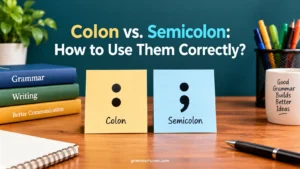
Colon vs. Semicolon: How to Use Them Correctly?
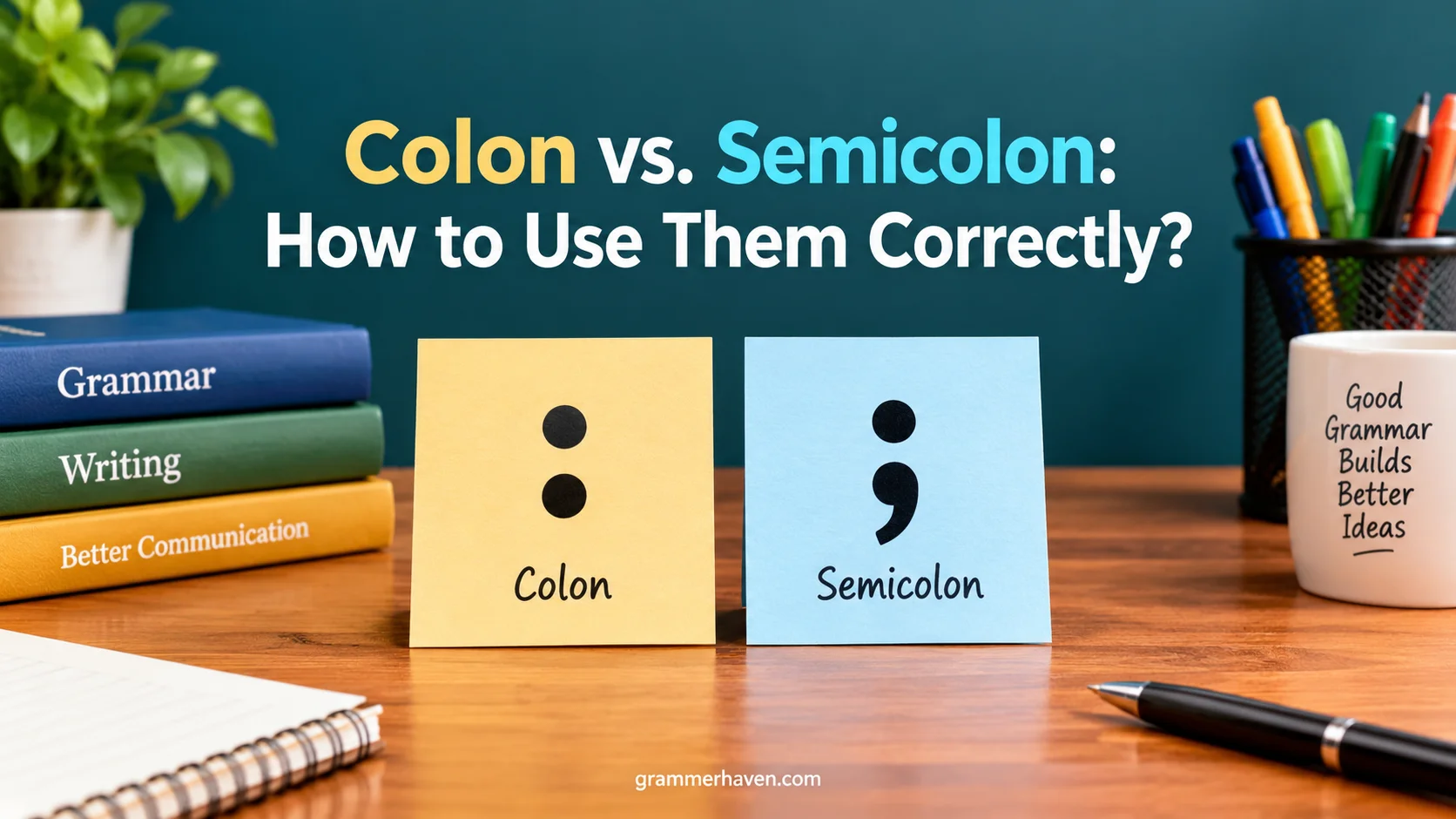
Colon vs. Semicolon helps you distinguish two punctuation marks that connect ideas but perform different jobs in a sentence. A colon creates a pause before an explanation, list, example, specification, or quotation. A semicolon creates a stronger connection between independent clauses and closely related thoughts. These rules help you understand when to use each punctuation ...
Read more
Hi or Hello: Which Greeting Should You Use?
Hi or Hello can feel like a simple choice, yet each greeting creates a different tone based on context, formality, and familiarity in messages. Both are common English greetings, but hi often feels casual, relaxed, and friendly, while hello can sound more neutral, polite, and professional. Your relationship, age, culture, and setting can shape the ...
Read more
A or An? Understanding the Difference and When to Use Each
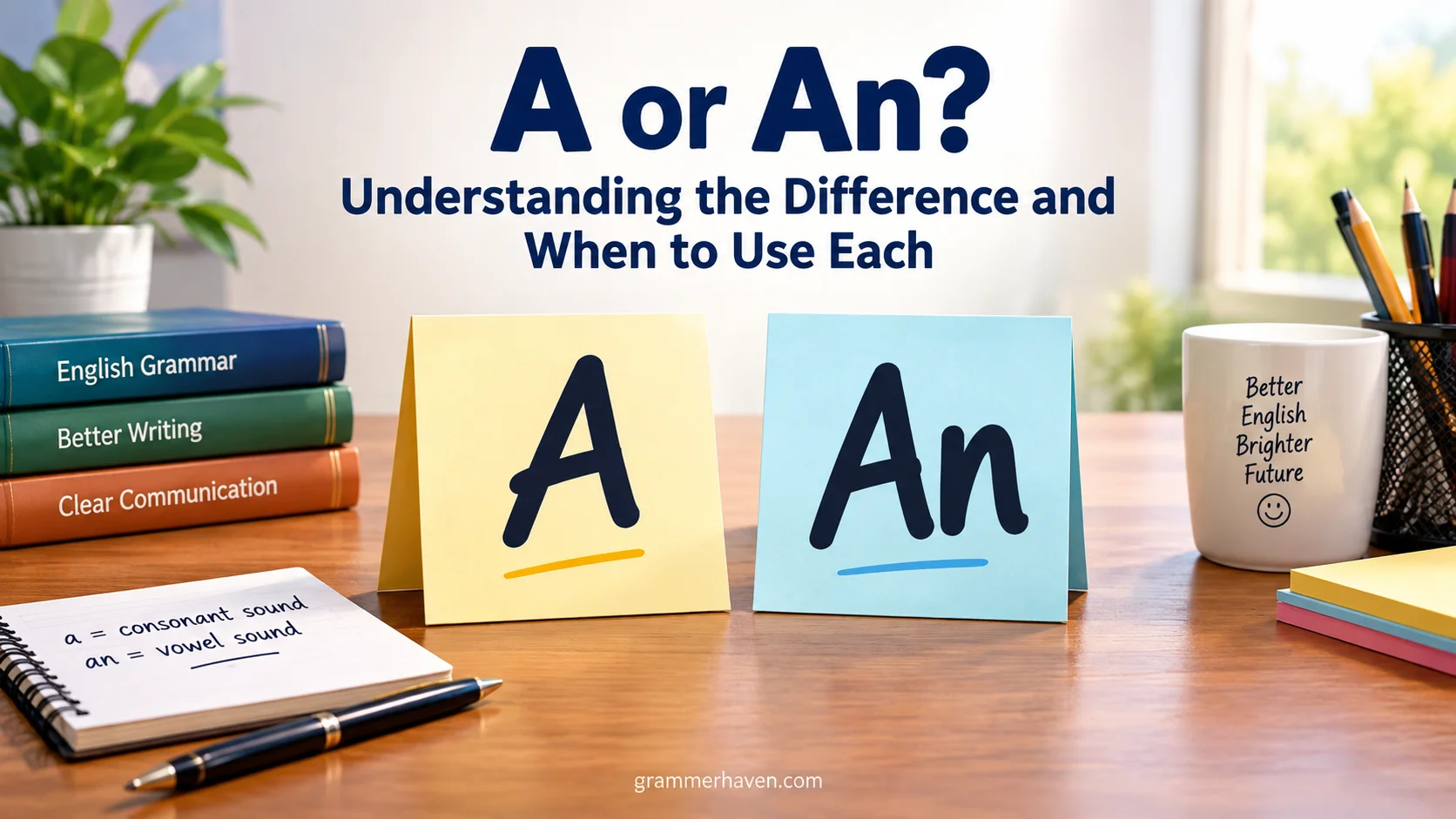
Choosing A or An depends on the first sound: use a before a consonant sound and an before a vowel sound in English. A and an are two different forms of the same indefinite article. They appear before a singular noun, adjective, or noun phrases. The spelling of the word doesn’t decide the article. A ...
Read more
Better Then or Than: Which Is Correct? A Complete Guide
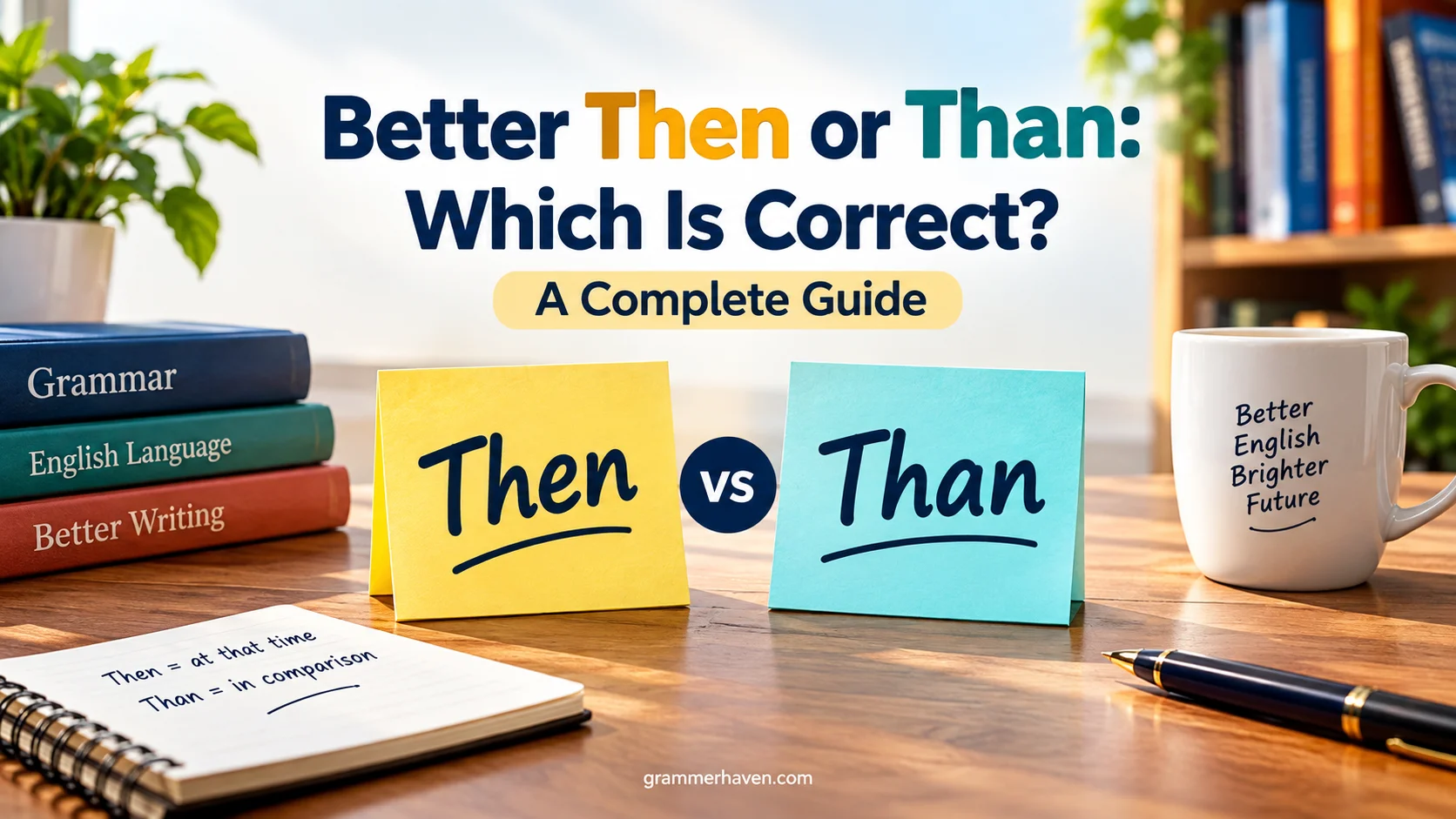
Better Then or Than is a common English grammar confusion involving words with different meanings, usage and roles in comparison sentences. Than belongs to comparison, while Then shows time, sequence, order, or a result. Learners often mix these words in writing and speech because they sound almost identical. The phrase Better Then is incorrect for ...
Read more