What Is a Portmanteau? Meaning, Examples and How to Use It
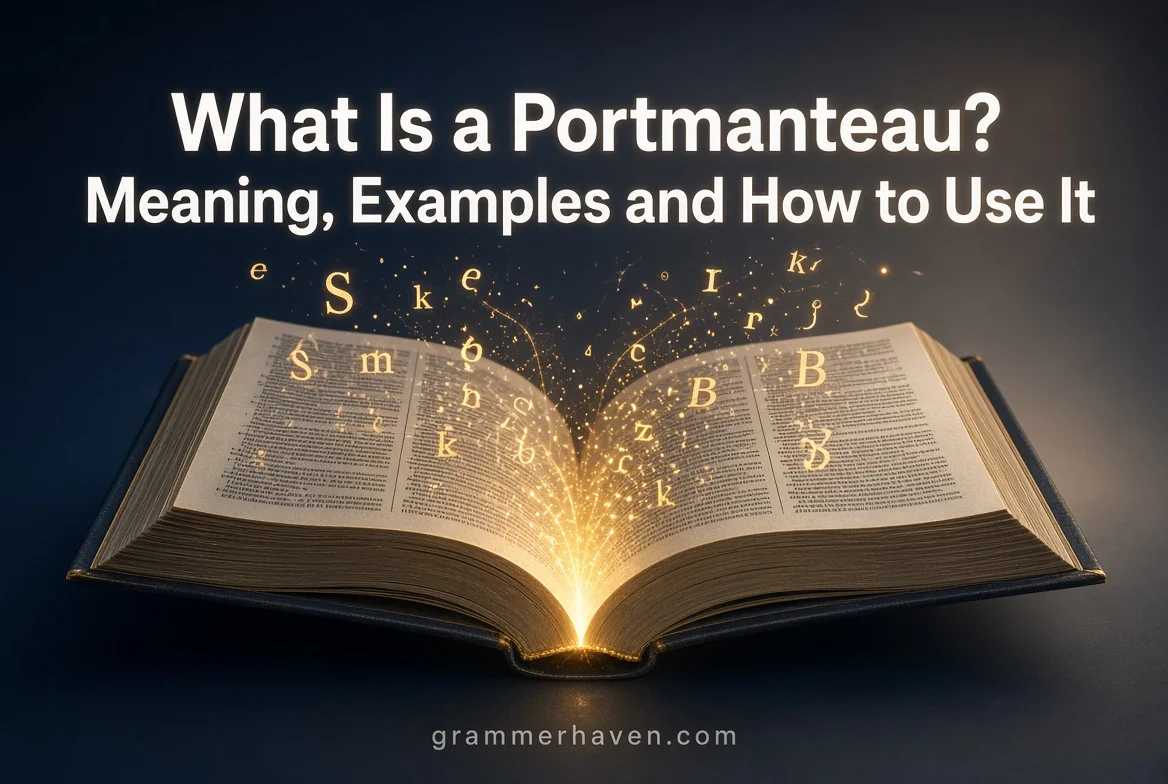
What Is a Portmanteau? It is a word formed when two words blend their sounds or meanings to create a new expression. Words are pieces of a puzzle, coming together to paint a vivid picture in our minds. This linguistic phenomenon shows the magic of language, transforming how we communicate one syllable at a time. ...
Read more
Feel or Felt: Meaning, Differences and Correct Usage
Feel or Felt describes present emotions and past experiences; feel is the present tense, while felt is the past tense. Use feel to describe something happening now and felt for something that happened before. For example, “I feel better today” describes your current condition, while “I felt better yesterday” describes a past state. These verb ...
Read more
Are Video Game Titles Italicized? APA, AP and Chicago Style Guide

Are Video Game Titles Italicized depends on the style guide you follow, with APA and Chicago generally using italics and AP using quotation marks. In academic writing, the APA (American Psychological Association) and Chicago style generally use italics for video game titles, similar to books and movies. For example, Minecraft may appear in italics in ...
Read more
Cacoon or Cocoon: Which Spelling Is Correct?
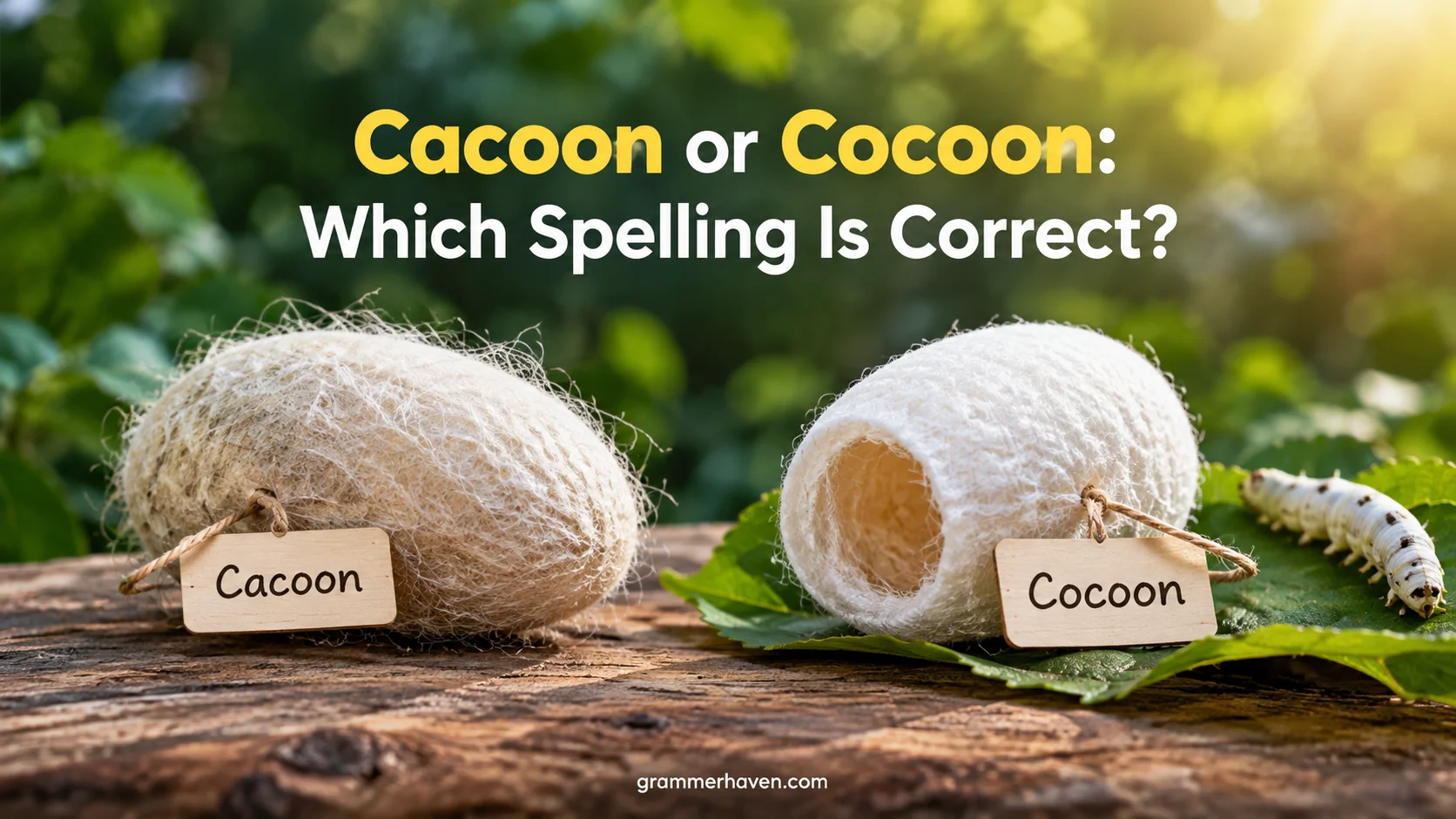
Cacoon or Cocoon is a common spelling confusion in the English language; only cocoon is correct for an insect’s protective covering. The correct spelling is cocoon, which describes a silky case made by certain insect larvae for protection during development. This protective covering creates a safe environment during an insect’s life cycle. Many moths and ...
Read more
Formerly vs. Formally: Meaning, Differences and Examples
Formerly vs. Formally explains the difference between two commonly confused adverbs: formerly refers to the past, while formally describes an official action or manner of doing something. These words have similar spelling but different meanings. Understanding their definitions improves grammar, vocabulary, spelling, word choice, and sentence clarity. Formerly refers to something that existed or happened ...
Read more
“Differential” vs. “Deferential”: Meaning, Differences & Correct Usage
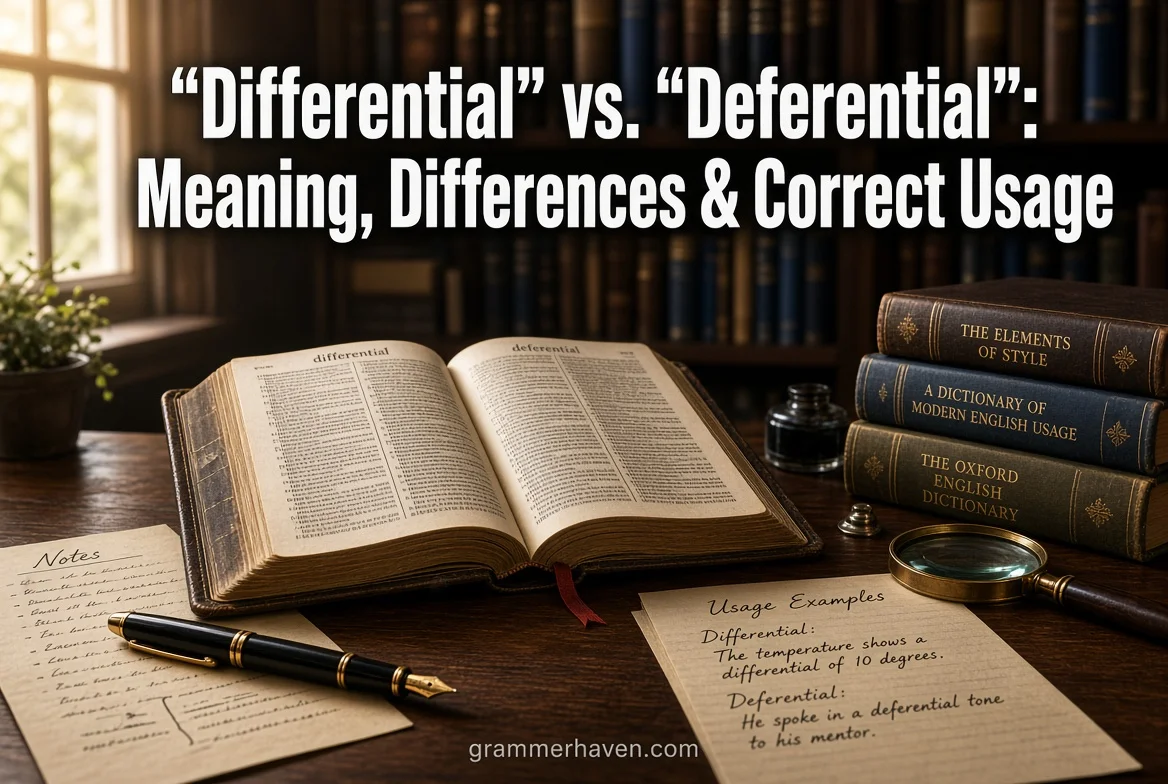
“Differential” vs. “Deferential” explains two similar-sounding English words with different meanings, helping you choose the right word for each sentence. Differential refers to a difference, variation, or gap between things. Deferential describes respect toward another person, especially someone with authority, experience, or seniority. These definitions help you understand their distinctions in professional writing, academic work, ...
Read more
“I Was Wondering” vs. “I Am Wondering”: Meaning, Differences & Correct Usage
“I Was Wondering” vs. “I Am Wondering” explains how verb tense, emphasis, and tone affect polite requests, questions, and everyday English communication. Both expressions are grammatically correct, but they serve different purposes. “I was wondering” often introduces a polite request or indirect question. “I am wondering” highlights a present thought or current uncertainty. These expressions ...
Read more
Complaint vs. Complain: Meaning, Differences, Grammar and Examples
Complaint vs. Complain explains the difference between a noun and a verb, helping you choose the correct word and avoid common grammatical mistakes. The word complaint is a noun that names a concern, grievance, or expression of dissatisfaction. The word complain is a verb that describes the act of expressing dissatisfaction. For example, “I have ...
Read more
Is It Correct to Say “Thanks for Letting Me Know”? Meaning, Grammar & Usage
Is It Correct to Say “Thanks for Letting Me Know”? Yes, this phrase is natural English for expressing gratitude when someone shares information or an update. “Thanks for letting me know” is a correct, natural, and widely accepted phrase in the English language. It is a simple yet powerful way to express gratitude when someone ...
Read more
Fillet vs. Filet: Meaning, Differences, Pronunciation and Examples
Fillet vs. Filet explains why two similar spellings can cause confusion in English and how regional preferences shape their usage in everyday writing and cooking. In the vast world of the English language, words are like keys that unlock different meanings and nuances. Fillet and filet sound alike and may seem to mean the same ...
Read more