Dreamed or Dreamt: Which Is Correct?

Dreamed or Dreamt are both correct past forms of the verb dream, with dreamed as the regular form and dreamt as the irregular form in English usage. Their basic meaning is the same, whether you describe a sleeping dream or an imagined experience. Both are legitimate English words. The main difference comes from regional preference ...
Read more
In Route or En Route: Which Is Correct? Difference & Usage

In Route or En Route can confuse writers because en route is the standard English expression for someone or something traveling to a destination. En route means on the way during the process of traveling. The correct standard expression in standard written English is en route, not in route. The meaning becomes obvious when you ...
Read more
Buses or Busses: Which Spelling Is Correct?

Buses or Busses can confuse writers, but buses is the standard plural for more than one passenger vehicle in everyday English. If you have typed a sentence, paused, and started wondering about the right form, this is a common spelling question with a small twist. The answer is that both forms exist, but their status ...
Read more
Ensure or Insure: Which Is Correct? Meaning, Difference & Usage
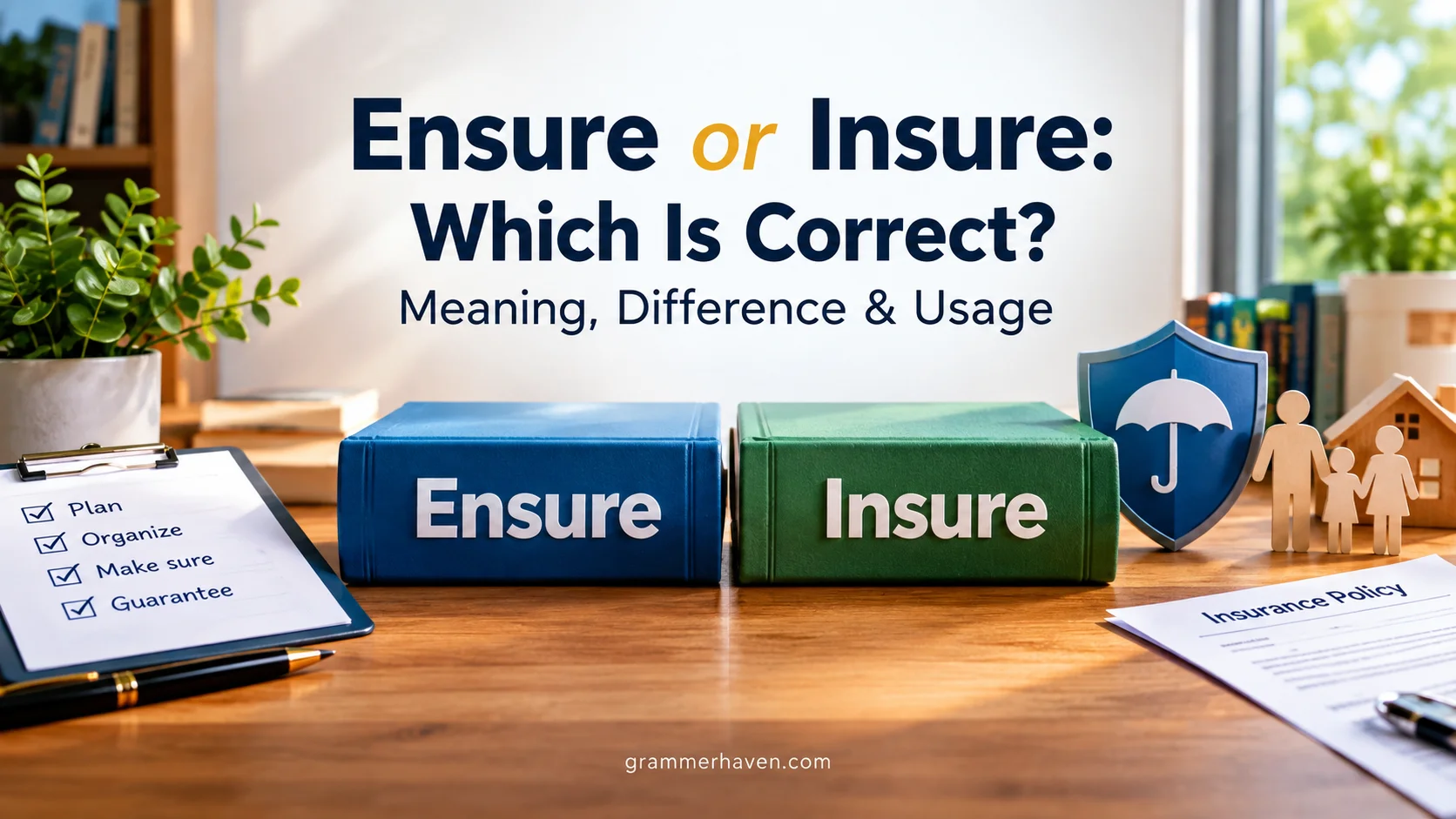
Ensure or Insure: students, writers, and professionals often face confusion when choosing between these tricky words because they sound nearly identical. Ensure and insure have different purposes in modern US English. A simple way to remember the simple difference is to connect insure with insurance and ensure with make certain. This quick guide helps students, ...
Read more
Whose vs Who’s: Meaning, Difference, Examples and Usage
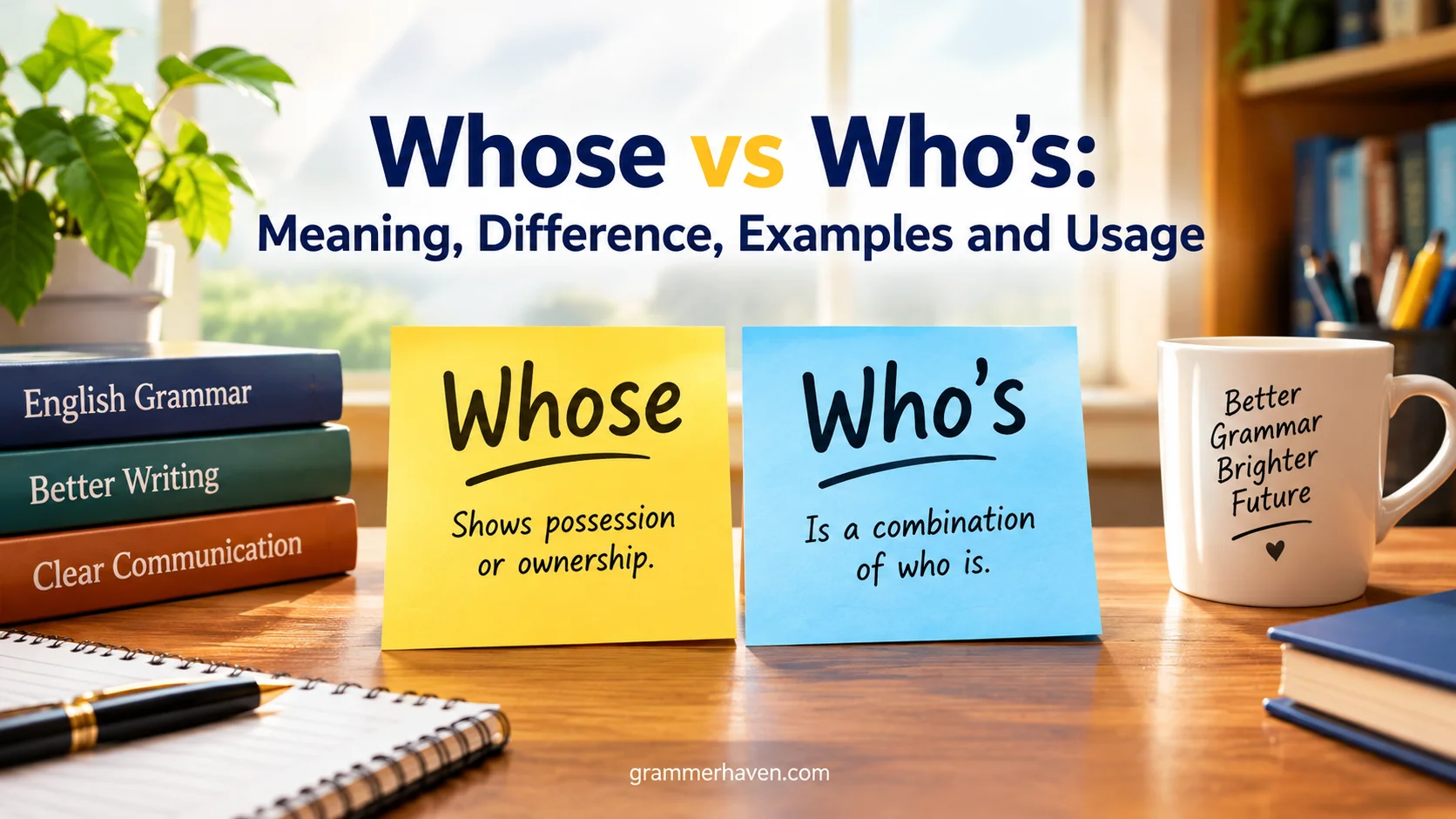
Whose vs Who’s creates grammar questions because both words have the same sound, but their meaning and usage make them different in English. In English grammar, Whose works as a possessive pronoun and asks who owns something or what is associated with someone. Who’s uses an apostrophe and works as a contraction of “who is” ...
Read more
Y’all vs Ya’ll: Which Spelling Is Correct?
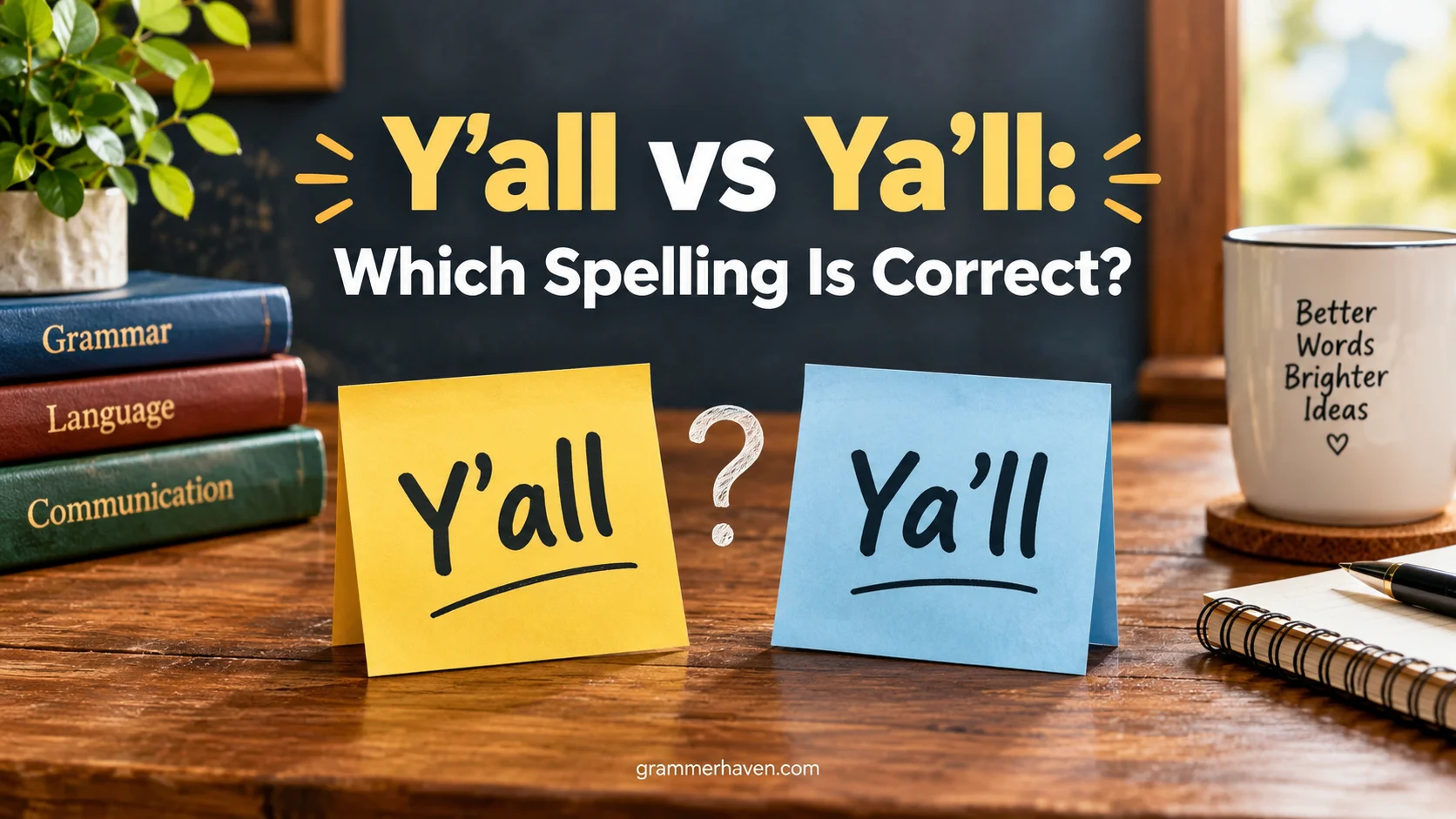
Y’all vs Ya’ll compares two spellings, but only one is the standard form in English writing. Y’all is the correct form of the contraction you all. The apostrophe marks the letters omitted from the original phrase. It works as an informal, second-person, plural pronoun when addressing two or more people. Ya’ll is a misspelling and ...
Read more
Donut vs Doughnut: Which Spelling Is Correct?
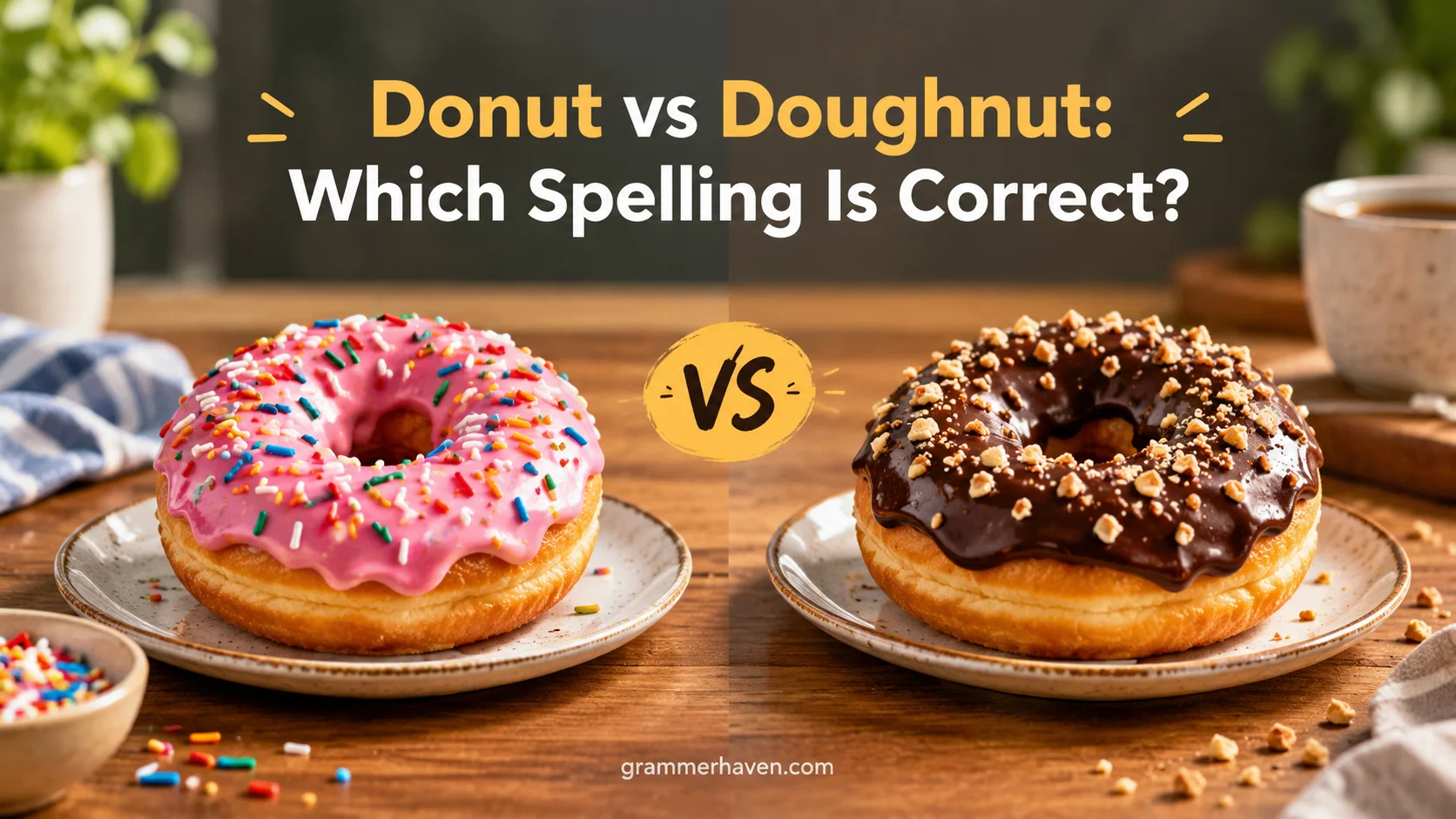
Donut vs Doughnut has a small spelling difference, but the choice matters in clear, credible writing for different English-speaking audiences and contexts. Both Donut and Doughnut are accepted English words for the same fried pastry. The correct version depends on regional usage and spelling tradition. Donut is a shortened spelling linked strongly with American English ...
Read more
Herd or Heard: Which Word Is Correct?
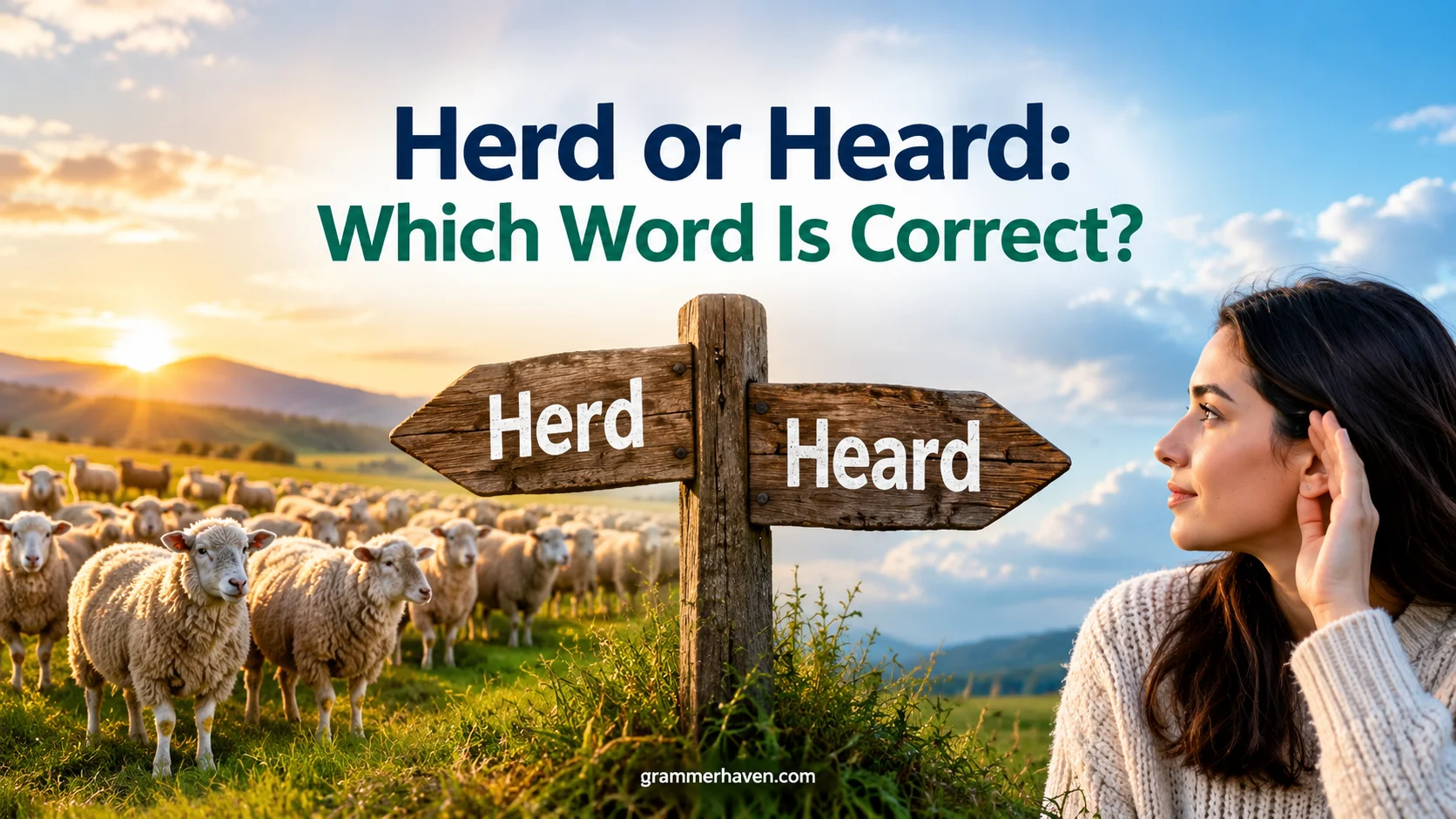
Herd or Heard is a common spelling problem because both words have the same sound in standard American English, yet their meanings are different. Herd means a group or group of animals, including cattle, elephants, horses, and other animals that live, feed, or move together. Herd also works as a verb when people move animals ...
Read more
Elude vs Allude: What’s the Difference & How to Use Each?
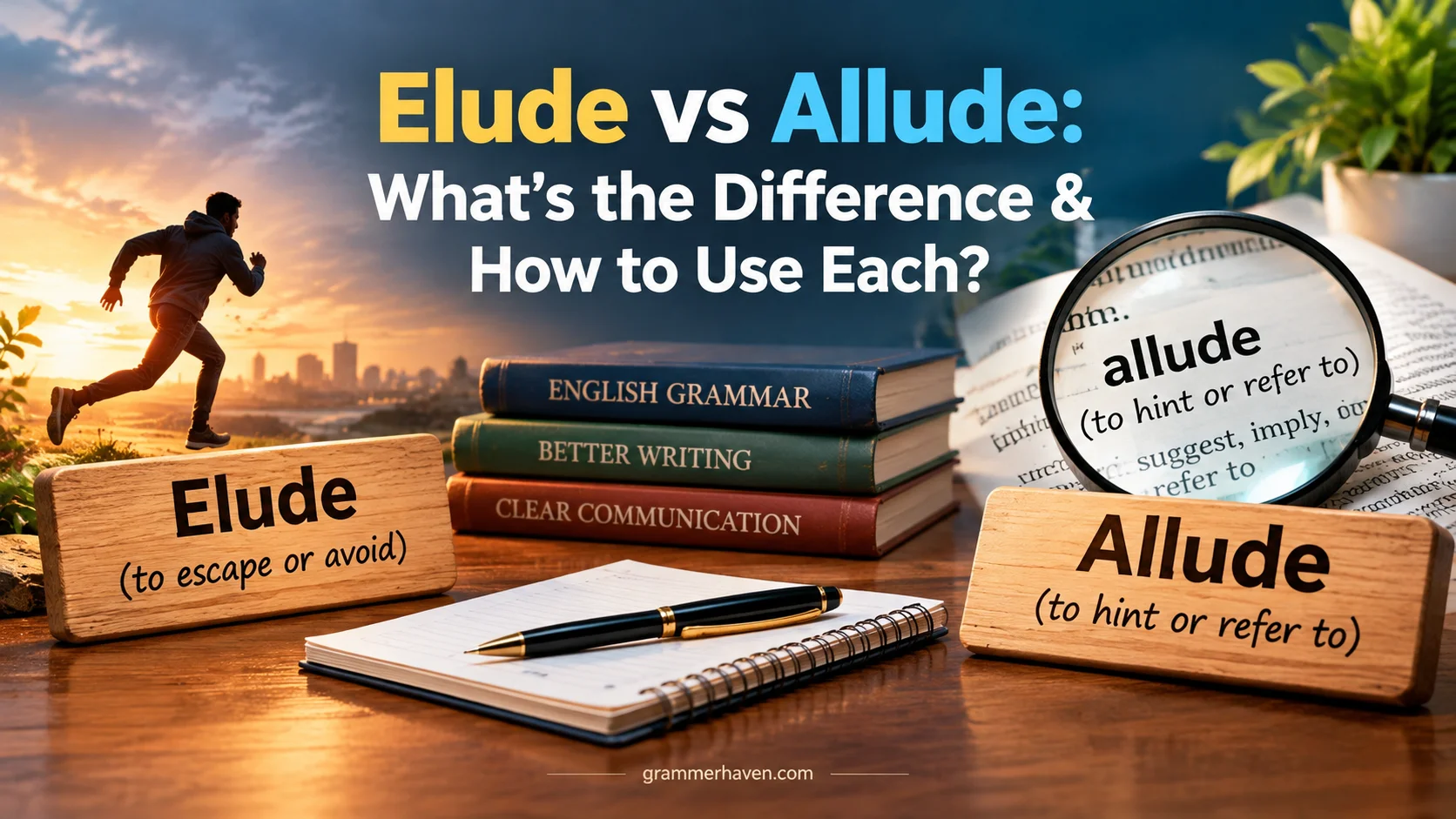
Elude vs Allude can confuse writers because these similar-looking words have different meanings and serve different purposes in English. Elude describes escaping something or remaining out of reach, while allude means to refer to something without stating it directly. Their Latin roots can help explain their history, but the practical difference is easier to remember ...
Read more
What Does Top or Bottom Mean? Relationship Context and More

Top or Bottom Mean can describe a sexual role in the queer community, but relationships, romantic interests, and everyday life can show different sides of a person. A Top may be assertive or dominant, while a bottom may prefer receiving or a more passive role. These labels are multifaceted, so they do not always define ...
Read more